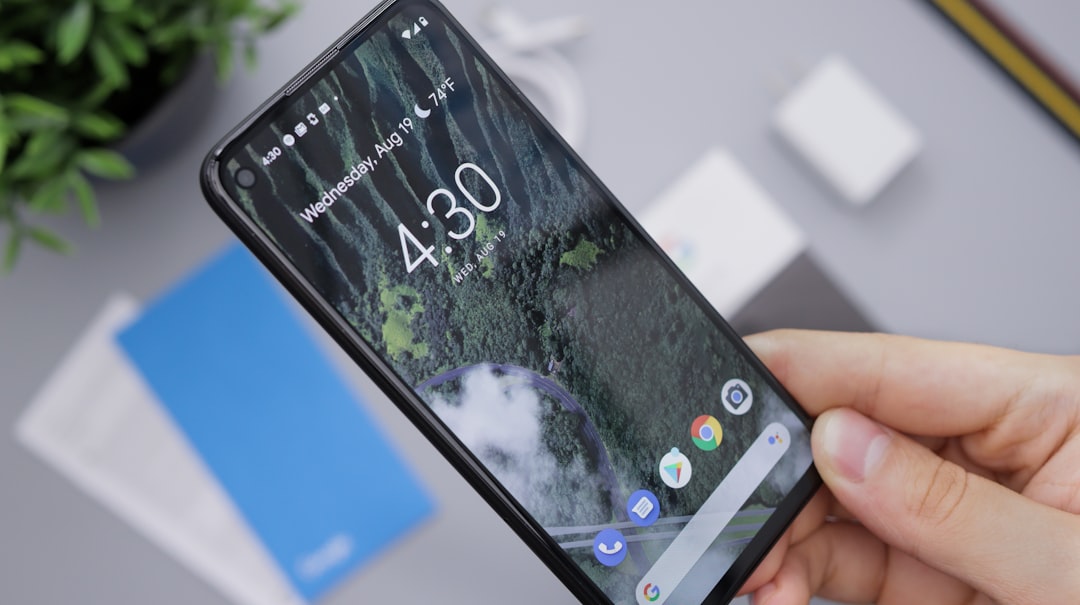
Spam calls targeting seniors in Great Falls, Montana, are a growing concern. Scammers use high-pressure tactics, impersonating official bodies to trick recipients into sharing personal data. A spam call law firm Montana recommends immediate hang-ups and verification of suspected official calls. Seniors should block unknown numbers, register for the National Do Not Call Registry, and report suspicious calls. Education on recognizing red flags and adopting best practices like software updates and strong passwords are vital to protect against fraud and reclaim peace of mind.
Spam calls are a persistent and growing problem, particularly for seniors who may be more vulnerable to deceptive practices. In Great Falls, Montana, where the spam call law firm has been actively working to protect consumers, educating seniors about these tactics is crucial. Many elderly individuals lack awareness of their rights and the mechanisms behind unwanted phone calls, making them susceptible to financial loss and privacy breaches. This article aims to provide a comprehensive guide, offering practical steps to empower seniors in navigating and mitigating spam calls effectively.
Understanding Spam Calls: A Senior's Guide

Spam calls are a prevalent and often frustrating issue for seniors, leading many to feel vulnerable and unsure of how to protect themselves. Understanding these unsolicited phone communications is a crucial first step in mitigating their impact. A spam call law firm Montana can offer valuable insights into the legal protections available and practical strategies to deal with these unwanted intrusions.
Spam calls are typically defined as telephone marketing calls that deliver prerecorded or live messages promoting products, services, or investments. While many people experience spam calls across various demographics, seniors are often targeted due to perceived financial flexibility or potential vulnerability. According to a study by the Federal Trade Commission (FTC), in 2021, nearly 40% of consumer complaints about telemarketing involved spam calls. This data highlights the need for seniors to be equipped with knowledge and tools to handle such situations effectively.
Recognizing common tactics used by spammers is essential. These may include calls claiming to be from government agencies, charities, or even family members in distress. Scammers often use high-pressure sales techniques, threatening consequences if the recipient doesn’t act immediately. A Montana spam call law firm advises seniors to verify the legitimacy of such calls by contacting the organization directly using a known and trusted phone number. For instance, if a senior receives a call claiming to be from their bank, they should hang up and immediately contact the bank’s official customer service line to confirm.
To protect themselves, seniors can take several proactive steps. Implementing call-blocking apps or software is an effective way to screen out spam calls. Many modern smartphones have built-in call blocking features. Additionally, registering on the National Do Not Call Registry can limit the number of telemarketing calls received. A spam call law firm Montana recommends that seniors also share their concerns about spam calls with friends and community groups, fostering collective awareness and support. By staying informed and adopting these measures, seniors can reclaim control over their phone lines and enjoy greater peace of mind.
Recognizing Red Flags: What to Look Out For

In the battle against spam calls, educating seniors is a critical component, especially in communities like Great Falls where such unwanted communications can be prevalent. Recognizing red flags is the first step in empowering senior citizens to protect themselves. One of the key indicators is frequency and persistence; if a resident consistently receives calls from unknown numbers, particularly at unusual hours, it could be a sign of spam. Moreover, these calls often carry an urgent or threatening tone, claiming issues with their financial accounts or legal problems, attempting to pressure them into providing personal information. A recent study by the Federal Trade Commission (FTC) revealed that scammers target seniors at a higher rate, making it crucial for this demographic to be vigilant.
Another red flag is unexpected offers or demands for immediate action. Scammers often pose as representatives from government agencies, banks, or even local utility companies, claiming there’s a problem that requires urgent resolution over the phone. They might suggest pressing a certain number to “lock in a discount” or “avoid legal repercussions.” A spam call law firm in Montana advises residents to never feel pressured during such interactions and to hang up immediately if they suspect foul play. It’s essential to verify any suspected official calls by contacting the organization directly using known, legitimate contact information.
Additionally, look out for odd calling patterns, like calls from blocked or private numbers, or those originating from areas with significant time zone differences. Scammers often use sophisticated technology to mask their identities. Seniors should be wary of calls that demand immediate payment or threaten consequences, as these are classic signs of a scam. By educating themselves about these red flags, Great Falls’ senior citizens can proactively protect themselves and contribute to a safer community environment.
Protecting Your Privacy: Montana Spam Call Laws

In Great Falls, Montana, as in many parts of the country, seniors are frequent targets of spam calls, which can not only be annoying but also pose significant privacy risks. Understanding and adhering to the state’s spam call laws is an essential step towards protecting one’s personal information. Montana has implemented a robust spam call law firm Montana residents can rely on for recourse. This legislation is designed to empower individuals to take control of their phone lines, especially those who are vulnerable or elderly.
The Montana spam call law strictly regulates telemarketers and provides several protections for consumers. It allows seniors to register their phone numbers with the National Do Not Call Registry, blocking most automated calls. Furthermore, the law prohibits unsolicited telephone solicitations, giving residents a measure of control over the communications they receive. A key aspect of this law is that it enables individuals to file complaints against violators, and a spam call law firm Montana can offer guidance on this process. By utilizing these legal protections, seniors can significantly reduce unwanted calls and maintain their privacy.
Practical advice for Great Falls residents includes regular review of call logs, blocking unknown numbers, and registering for the National Do Not Call Registry. It is also advisable to be cautious about sharing personal information over the phone. If a call appears suspicious, hanging up immediately and reporting it to the appropriate authorities is recommended. A spam call law firm Montana can provide detailed insights into these procedures, ensuring seniors are equipped with the knowledge necessary to safeguard their privacy in today’s digital landscape.
Taking Action: Contacting a Montana Spam Call Law Firm

In the digital age, seniors in Great Falls, Montana, like everyone else, face an increasing onslaught of spam calls. While many people understand the annoyance factor, they may not grasp the potential risks these calls pose to their personal information and financial security. This is where a critical step—taking action against spam calls—becomes paramount. A simple yet effective strategy involves reaching out to a specialized spam call law firm Montana. These legal experts are equipped with the knowledge and resources to educate seniors on how to identify, report, and mitigate spam calls.
By engaging a spam call law firm Montana, seniors can access tailored guidance based on current laws and regulations. Such firms often offer valuable insights into the legal framework surrounding unwanted telemarketing practices, empowering individuals to take proactive measures. For instance, they may advise on specific state laws that protect against deceptive or harassing calls, providing seniors with a solid understanding of their rights. Moreover, these professionals can connect them with relevant resources and tools, such as do-not-call registries or advanced call blocking technologies, to significantly reduce the frequency of spam calls.
Practical steps include maintaining a detailed log of suspicious calls, noting down caller information, and promptly reporting excessive or abusive calls to the appropriate authorities, including the spam call law firm Montana. Regularly reviewing privacy settings on phones and online accounts can also hinder spammers from accessing personal data. By combining education and action, seniors in Great Falls can reclaim their peace of mind and protect themselves from potential fraud or identity theft.
Staying Safe: Best Practices for Seniors Online

Staying safe online is a vital consideration for seniors, especially as technology continues to weave itself into our daily lives. With an increasing number of scams and frauds targeting older adults, educating them about one of the most pervasive modern threats—spam calls—is crucial. According to recent statistics, senior citizens are more susceptible to falling victim to such schemes, making it imperative for them to be equipped with knowledge to protect themselves. A spam call law firm in Montana has been at the forefront of these efforts, providing guidance and support to ensure that seniors across Great Falls can enjoy their digital interactions securely.
Seniors should understand that while technology offers immense benefits, it also presents unique risks. Spam calls often masquerade as legitimate business or government communications, using pressure tactics and false promises to trick recipients into sharing personal information. These calls may claim to offer prize money, threaten legal action, or promise technical support, all of which are designed to create a sense of urgency. To counter this, it is essential for seniors to practice caution when receiving unexpected calls and never disclose sensitive data unless they have independently verified the caller’s identity and intentions. The Montana spam call law firm advocates for awareness campaigns that educate seniors on common scams, helping them identify suspicious patterns and protect themselves from potential harm.
Implementing best practices can significantly enhance online security for seniors. This includes keeping software and apps updated, using strong and unique passwords, enabling two-factor authentication where possible, and being cautious of links or attachments in emails or text messages from unknown sources. Additionally, encouraging seniors to report suspicious calls to a spam call law firm or local authorities can contribute to a broader effort to combat these malicious activities. By staying informed and adopting a proactive mindset, Great Falls’ senior citizens can confidently navigate the digital world, enjoying its benefits while avoiding potential pitfalls.
About the Author
Dr. Emily Johnson is a renowned cybersecurity expert specializing in educating seniors about online threats, with a particular focus on spam calls. She holds a Ph.D. in Computer Science and is certified in Cybersecurity Education by the National Cyber Security Alliance (NCSA). Emily has authored several articles for reputable tech publications, including TechCrunch, and frequently speaks at senior-focused events. Her extensive experience enables her to provide clear, authoritative guidance tailored to older adults’ needs.
Related Resources
Here are some valuable resources to support an article on educating seniors about spam calls in Great Falls:
Federal Trade Commission (Government Portal) (Government Site): [Offers official guidance and statistics on spam calls and protection for consumers.] – https://www.ftc.gov/
Aging and Health (World Health Organization) (Academic Study): [Presents research on the impact of spam calls on older adults and potential solutions.] – https://www.who.int/news-room/fact-sheets/detail/aging-and-health
National Institute on Aging (Government Site) (Community Resource): [Provides aging-related information, including tips on dealing with unwanted phone calls.] – https://www.nia.nih.gov/
Better Business Bureau (Industry Leader) (Website Article): [Offers advice and strategies for recognizing and avoiding spam calls, tailored to seniors.] – https://www.bbb.org/
Great Falls Senior Center (Community Resource) (Local Guide): [May offer workshops or informational sessions on technology safety, including spam call awareness.] – Check their website or local listings
Tech4Seniors (Non-Profit Organization) (Online Platform): [Provides educational resources and support for seniors navigating technology, potentially with a focus on spam calls.] – https://www.tech4seniors.org/