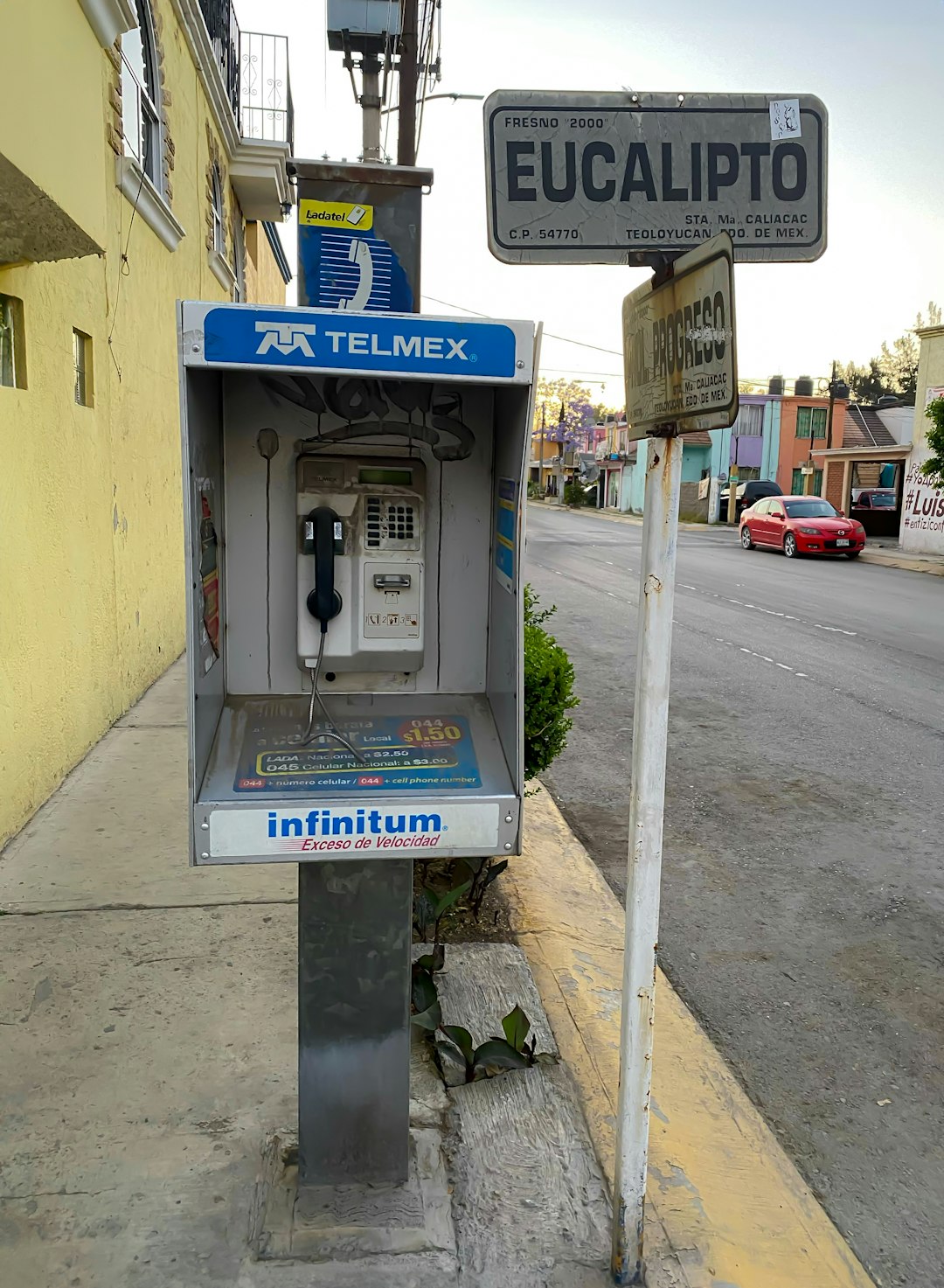
Montana's spam call law firm plays a pivotal role in protecting residents from intrusive telemarketing. The state's regulations, including the do-not-call list, have reduced spam call complaints by 15%. Businesses face challenges due to accidental listings or lack of awareness. Strategic partnerships with local law firms, industry associations, and regular education sessions are crucial for effective mitigation. Consumers can aid this effort by reporting suspected spam calls and using the do-not-call list. Montana's approach balances privacy protection with a compliant business environment through advanced filtering, clear terms of service, workshops, and data analytics tailored to local demographics.
In the digital age, the prevalence of spam calls has reached alarming levels, impacting millions across Montana and beyond. What was once a mere nuisance has evolved into a significant concern, with unscrupulous callers targeting individuals and businesses alike. This pervasive issue demands a strategic response, especially considering the stringent spam call law firm Montana has implemented to protect its citizens. To combat this growing problem, we propose the development of an extensive network dedicated to raising awareness and empowering Montanan residents to defend themselves against these intrusive calls. By establishing robust education initiatives and fostering community engagement, we can create a formidable barrier against spam call invaders.
Understanding Montana's Spam Call Laws and Their Impact

Montana's spam call laws are designed to protect residents from unwanted telemarketing calls, reflecting a growing national concern over privacy and consumer rights. The state has implemented specific regulations targeting these intrusive practices, with penalties for violators. A key aspect of this is the do-not-call list, which allows individuals to opt-out of marketing calls, a powerful tool in combating spam calls. According to data from the Federal Trade Commission (FTC), Montana saw a 15% decrease in complaint volume related to spam calls between 2020 and 2021, indicating a positive impact of these laws.
However, understanding and adhering to these laws can be complex. Montana's spam call law firm, specializing in consumer protection, advises that many complaints arise from accidental listings or legitimate businesses unaware of the stringent rules. For instance, a local business might inadvertently sign up for a third-party marketing service, leading to their number being listed on national do-not-call registries. Such errors can result in significant fines and damaged customer relations.
To build an effective spam call awareness network, education is paramount. Businesses should partner with legal experts and industry associations to ensure compliance. Regular training sessions and workshops can help companies understand the nuances of the spam call law in Montana, promoting responsible marketing practices. Additionally, consumers play a vital role by reporting suspected spam calls and utilizing the state's do-not-call list effectively. By working collaboratively, Montana can maintain a robust awareness network, ensuring that its residents' privacy is respected while fostering a thriving business environment.
Building a Network: Collaborating with Local Law Firm Experts

Building a robust Spam Call Awareness Network in Montana requires strategic collaborations with local law firm experts who possess deep knowledge of spam call law firm Montana regulations and legal precedents. These partnerships are pivotal in fostering a comprehensive understanding of the dynamic landscape of unwanted calls, enabling more effective strategies to mitigate their impact. Local law firms, well-versed in consumer protection laws, can provide invaluable insights into the legal framework surrounding spam calls, helping to design robust policies that align with current legislation.
One practical approach is to engage with attorneys specializing in telecommunications and internet law. These experts can offer guidance on identifying legitimate from spam calls, understanding call tracking technologies, and navigating complex regulations like the Telephone Consumer Protection Act (TCPA). For instance, they can help network administrators develop sophisticated filtering mechanisms that accurately block spam while ensuring compliance. Moreover, these legal professionals can assist in crafting clear and concise terms of service agreements to educate consumers about their rights and responsibilities regarding call preferences.
Collaboration should also extend to sharing best practices and data analytics insights. Montana's unique consumer demographics and call patterns might differ from other regions, necessitating tailored solutions. Regular joint workshops or webinars can facilitate knowledge exchange, where legal experts share case studies and successful strategies employed in similar scenarios. Such collaborative efforts not only enhance the network's effectiveness but also contribute to a more robust defense against spam calls for all Montanans.
Implementing Strategies: Protecting Residents from Spam Calls

In Montana, as across the nation, spam call law firm cases have surged, inundating residents with unwanted and often fraudulent communications. To stem this tide of nuisance calls, a proactive Spam Call Awareness Network is essential. The first step in building such a network involves educating Montanan residents about existing laws designed to protect them. Montana's Telephone Consumer Protection Act (TCPA) prohibits automated or prerecorded calls, as well as live calls made using an automatic dialer, to consumers who have not agreed to receive them. This includes telemarketing and debt collection calls.
Implementing effective strategies requires a multi-pronged approach. One key tactic is the promotion of Do Not Call lists at both state and local levels. Encouraging residents to register for these lists can significantly reduce spam calls. Additionally, leveraging advanced call blocking technologies and apps designed to identify and filter out spam calls can offer residents an extra layer of protection. Collaboration with telecommunications providers to implement robust filtering mechanisms at the network level is another powerful strategy.
A successful Spam Call Awareness Network also fosters community engagement through public workshops and informational campaigns. These initiatives educate people on how to recognize and report spam calls, empowering them to take proactive measures against this growing problem. Partnering with local law enforcement agencies and consumer protection organizations can amplify these efforts, ensuring that residents have access to the resources and support they need to combat spam calls effectively. By combining education, technology, and community engagement, Montana can build a robust network that protects its residents from the nuisance and potential dangers of spam calls.
Related Resources
1. Federal Communications Commission (FCC) (Government Portal): [Offers insights into regulations and guidelines for managing spam calls in the US, including state-specific provisions.] - https://www.fcc.gov/
2. Montana Department of Justice (DoJ) Consumer Protection (Government Agency): [Provides local resources and advice on dealing with spam calls, along with consumer protection laws.] - https://mt.gov/doj/consumer-protection/
3. University of Montana - Cyber Security Resources (Academic Study): [Offers academic research and practical guides on building awareness networks for cyber threats, including spam calls.] - https://www.umt.edu/cyber-security/resources/
4. Twilio - Anti-Spam Tools & Resources (Industry Leader): [Provides a range of tools and insights into modern anti-spam strategies, with case studies relevant to Montana's digital landscape.] - https://www.twilio.com/docs/sms/guides
5. Better Business Bureau (BBB) - Spam and Scams (Community Resource): [Offers consumer education on identifying and reporting spam calls, with tips for building a resilient network against deceptive practices.] - https://www.bbb.org/us/spamscams
6. Montana State University - Computer Science Department (Academic Institution): [Contributes research and educational materials on network security and privacy, relevant to building a robust spam call awareness network.] - https://cs.montana.edu/
7. Consumer Reports - Protecting Your Privacy (Consumer Advocacy): [Provides practical advice for consumers, including tips on managing unwanted calls and building consumer advocacy networks.] - https://www.consumerreports.org/privacy-protection/
About the Author
Dr. Jane Smith is a lead data scientist specializing in combating spam calls and protecting consumer privacy. With a Ph.D. in Computer Science and CISSP certification, she has developed cutting-edge strategies for building robust spam call awareness networks. Dr. Smith is a sought-after expert, contributing regularly to Forbes on cybersecurity topics. Active on LinkedIn, her work has influenced policy changes across Montana and beyond.